By Julie Brewer MSc CAB, DipCABT, RAVN
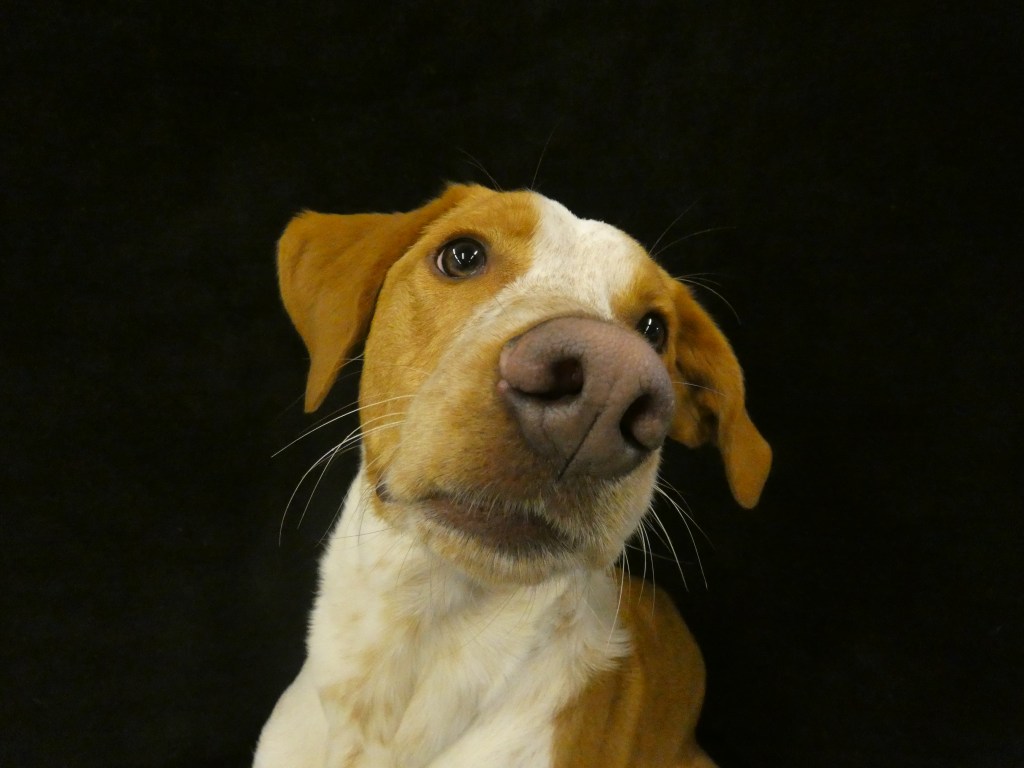
As a reward-based trainer, I often face questions about the use of food in training. There is sufficient evidence proving the value of using food in training, dogs have an innate motivation for food, making it an ideal tool for positive reinforcement. I teach my clients to use this natural drive to enhance training outcomes.
By using food rewards, we can effectively motivate dogs to actively engage and participate in the training process. The use of food rewards allows for flexibility in training methods. By associating training sessions with the anticipation of food rewards, we establish a positive connection between dogs, the training process and the owner. These positive associations foster enthusiasm, making dogs eager to participate, learn, and cooperate during training sessions. Creating positive associations strengthens the human-canine bond. By providing treats as rewards for following cues or exhibiting desired behaviours, we establish trust and effective communication.
As a certified professional, I recognize that a strong bond built on positive reinforcement leads to a harmonious and cooperative relationship and I love to help my clients understand the immense power of food as a training tool.
But some owners tell me their dog will that they are worried about their dog becoming overweight from training treats, which is a valid concern, but by making sure that you regularly weigh your dog and adjust their calorie intake this doesn’t have to be true, I’ve never owned a fat dog, and I give loads of training rewards, and random treats just because I love them.
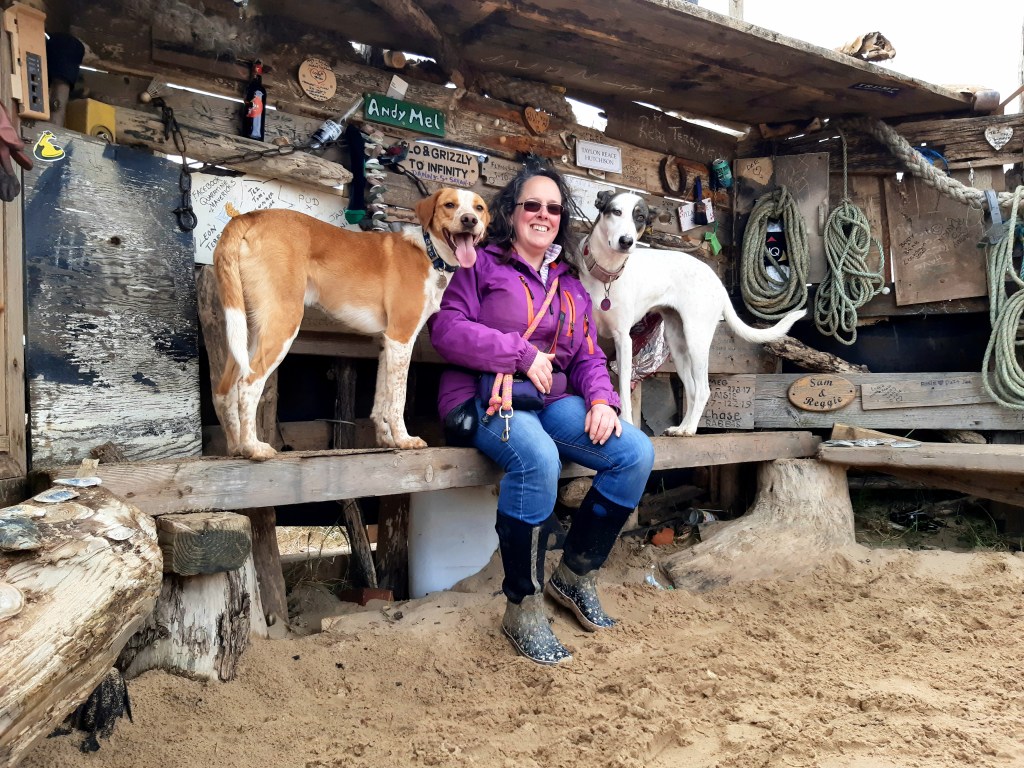
Often people will come to me and tell me that their dog is not food motivated, but since the dog is still alive it must be eating something, what they are really saying is that they haven’t found the food reward that the dog is willing to work for. Everybody is different, tastes vary. I hate green beans, and calamari, but I have friends who love them … weirdos!
There are many things which will affect the dog’s choices and motivation to work for food rewards.
- TASTE. Have you asked your dog what they really like? You might have tried using their own dog food, you might have tried all of the dog treats available at the pet shop. Often people will not have tried the less obvious options e.g. broccoli, cucumber, peas, apple, carrots, sweetcorn, cheese, hotdog, in fact anything which is not listed on a reputable website as a food to avoid in dogs is worth adding to a preference test. Find out what their taste is.
- TEXTURE. Have you ever done the Jacobs Cream Cracker challenge? How many can you eat and swallow in a row, they are so dry that your throat becomes dry. Even if you dog loves their dry dog food or treats they won’t be able to take as many in a row as they can if the treat is moist. If you dog likes dry treats as a reward then providing water when training is very important.
- BORING TREATS. Giving the same treat all of the time can eventually make that treat less valuable to the dog. Even I can get tired of eating chocolate cake … eventually. The way that you deliver the treat can also change the motivation levels, so changing it up can help, sometimes deliver from hand, to the floor, roll it or toss it, this adds an element of fun which can make training more interesting.
- FULL STOMACH. Even if you offer me my most favourite thing I will probably turn you down when I am already full. So the size of the treat matters, you need to be able to reward frequently when using food to train, but you don’t want to fill your dog up. Large treats will also take longer to eat, and you dog might have forgotten what they did to earn it, which will slow down your teaching progress. Small treats will keep you dog motivated to earn the next one.
- ENVIRONMENT. I don’t know about you but I really don’t like eating at my desk with noisy distractions around me. Dogs are the same, in some environments they do not feel like eating. Everything else is too distracting, interesting, stressful or even scary. If you brought my favourite food to my desk e.g. a bacon sandwich I would probably eat it, but I might not enjoy it as much as I would on my sofa at home.
- HOW THEY ARE FEELING. Dogs just like us will not want to eat if they are feeling unwell, if they are stressed, fearful, or if they are too stimulated by the environment. If you have a dog who usually loves food then not wanting to eat is a red flag, it tells you to ask yourself is the dog overwhelmed, or might they be poorly. Will moving to an easier environment help them focus and work for the food?
You might be concerned your dog will only listen to you if you’ve got food in your hand. Don’t worry about this, once your dog understands what is required, you can start to slowly fade the food and start adding other types of reward. Eventually your dog will get the idea that doing what you say is good, and rewards come randomly and not just from you but also from the environment.
If you have any concerns about using food in training or you’re struggling to get your dog motivated by food please contact us for further information.
Little Tykes Dogs Hub, email: tykesdoghub@gmail.com, booking: https://LittleTykesDogHub.as.me/
 LITTLE TYKES DOG HUB