by Julie Brewer Pre-Cert CAB, MSc, Dip. CABT, RAVN
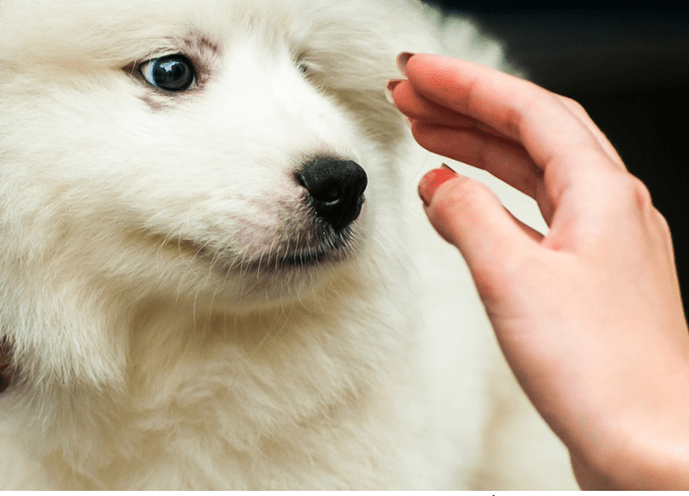
Most dogs do not want to be touched by strangers (do you?), sometimes even friendly dogs are not in the mood to be touched. We should allow our dogs to choose, not expect them to put up with unwanted attention. We respect the personal space of other people, people need to understand that they should respect the personal space of dogs.
Some dogs love people, however, it is difficult to teach a dog to be calm if people keep touching them while they are excited. We need people to respect our space when our dog is learning to be polite on a lead.
Most people love dogs and want to touch them, but it is often not appropriate. Remember that while it can be embarrassing to appear rude to a stranger (or even someone that you know) you are acting in your dog’s best interests.
The following suggestions are designed to help you and your dog learn to navigate the world of humans.
- If a person asks to touch your dog and you think your dog might not like it just say “NO” and leave. Don’t hang around trying to explain why. Do not stay long enough for your dog to start getting upset. If you have a nervous or aggressive dog increasing distance will immediately help them to feel safer and less reactive.
- If you have a timid dog and a person comes towards you block them by stepping between your dog and the person. Loosen your lead so that the dog can move away from the person. Engage the person in conversation and get their eye contact so that they cannot stare at your dog. Explain that your dog is shy and you do not want them to touch the dog. While you are speaking to the person scatter treats onto the ground behind you so that the dog starts to associate the presence of people with good things happening. If your dog seems worried leave immediately.
- If your dog is nervous but can eat then train a turn away. Teach your dog that when people approach there will be food delivered to your feet. This means that as people approach your dog will learn to face you and their bum will be facing the person, most people don’t like to pet a bottom. If the person continues to approach or tries to touch your dog move away.
- If your dog is nervous/excited or you are in a rush use a redirect. First teach your dog that their name means treats. Now if you see a stranger approaching say your dog’s name and toss a piece of food away from the stranger. Move on straight past them.
- For the excited greeter or nervous dog teach your dog the “Let’s Go” cue. Practice at home. Say “Let’s Go” and then run away from your dog, when they reach you deliver a scattered food reward or an exciting game with a favourite toy, it’s a chase me game. Now if you see a person approaching you can say “Let’s Go”, so what if you look silly, your dog is learning that fun stuff happens with you when people are around and you are keeping them safe.
- If you are not able to bend, run or have difficulty delivering food accurately the best way to help your dog is to teach a hand touch. At home practice that if you hold your hand a certain way and the dog touches your hand they will get a reward. When you have practiced doing touch without people around start practicing with people in the distance until your dog is offering to touch your hand for a reward whenever they see a person. Be very clear with your signal so that the dog knows when a reward opportunity is available and when it is not.
- If your dog is confident with people but you want them to learn correct greeting manners. Notice when a person seems to want to greet your dog. Stop the person at a distance by speaking to them, raise your hand if necessary to signal a stop. Hold your lead so that your dog is not able to get close to the person, do not pull or yank them away, step back if the person comes too close. Ask the person if they are happy to help train the dog.
Explain exactly what you want: “I want him to learn that people will not come to him if he jumps up at them, I do not want you to touch him because he gets too excited, if he makes the right choice, I will reward him and tell you whether he is ready to be touched”.
If the person is happy to help then hold your lead down towards the ground and place your foot on it, it should be long enough that your dog can stand comfortably, but not so long that your dog can jump up at the person. If your dog’s feet are on the ground reward him with food on the ground, the person can come close when the dog is very relaxed and not until then. When the person touches your dog you should direct them to stop after 3 seconds and wait to see whether the dog requests to be touched again, or moves away. If the person does not understand, they, or your dog seems uncomfortable then move away, if your dog gets more excited or worried move away.
The Swooper and the Fearful/Reactive dog.
Some people will suddenly reach out and touch a dog without permission. You can make this less scary for your dog by practicing surprise touches at home (assuming that your dog is comfortable with you doing it (if not seek professional help from a positive reward-based trainer or behaviourist). Reach out to your dog as if you are going to touch them, but instead of touching them drop treats near their head onto the floor. Do this often and unannounced in different places many times. Ask your friends to practice with you, they reach to touch, but you drop the treats. Now if your dog has been exposed to a surprise Swooper remember not to panic, just toss the food as quickly as you can whilst blocking the person (see earlier). Feel free to politely explain to this person people should not touch someone’s dog without asking first!
Julie Brewer
Picture above from Understanding Dog Training
 LITTLE TYKES DOG HUB